


Budget Defence: We Must Ensure SEDC’s Plans Translate to Industries, Jobs, Security – Sen Kalu
By C. I. Duke
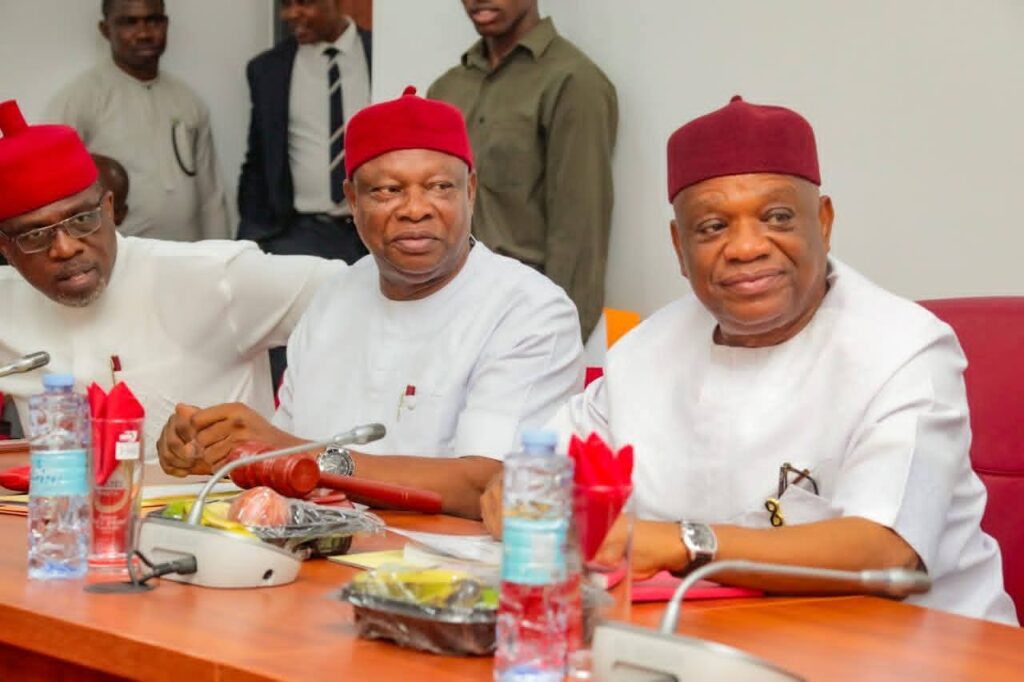
Senator Orji Uzor Kalu, Chairman of the Senate Committee on South East Development Commission, has emphasised the need to ensure that the commission’s budget proposals translate into tangible outcomes including roads, industries, jobs, security, and real prosperity for the Southeast region.
Senator Kalu made the statement on Tuesday whilst presiding over the budget defence session of the South East Development Commission (SEDC), where the Managing Director/Chief Executive Officer, Mark Okoye, presented the Commission’s Annual Review and Strategic Outlook covering February 2025 to February 2026.
During the session, the MD outlined an ambitious vision to build a $200 billion Southeast economy by 2035 through sustainable development, economic growth, unity, and strategic investments across the region. The commission also set clear financial targets, including a $1 billion regional target and a projected N150 billion South East Investment Corporation (SEIC) capital base, aimed at strengthening the Commission’s asset base and positioning the Southeast as Africa’s preferred investment destination.
Senator Kalu stated that the committee’s responsibility is to ensure that every budget proposal aligns with transparency, accountability, and measurable impact for the people of the region. “The vision is bold. The responsibility is greater. Together, we must ensure that these plans translate into roads, industries, jobs, security, and real prosperity for Ndi Igbo and the entire South East,” he said.
The senator commended the MD/CEO and his team for their efforts and the strategic direction outlined in the 2026 budget proposal. He assured that the Senate Committee would continue to provide the necessary legislative oversight and support to ensure the success of the South East Development Commission.
The SEDC was established to address developmental challenges and accelerate economic growth in the Southeast region through strategic interventions in infrastructure, security, and economic empowerment.