


FG, Contractor Pledge Completion of Oloibiri Museum by 2028
The Federal Government has reaffirmed its commitment to completing the Oloibiri Museum and Research Centre in Bayelsa State by 2028, with the contractor also assuring that it remains steadfast in delivering the landmark project.
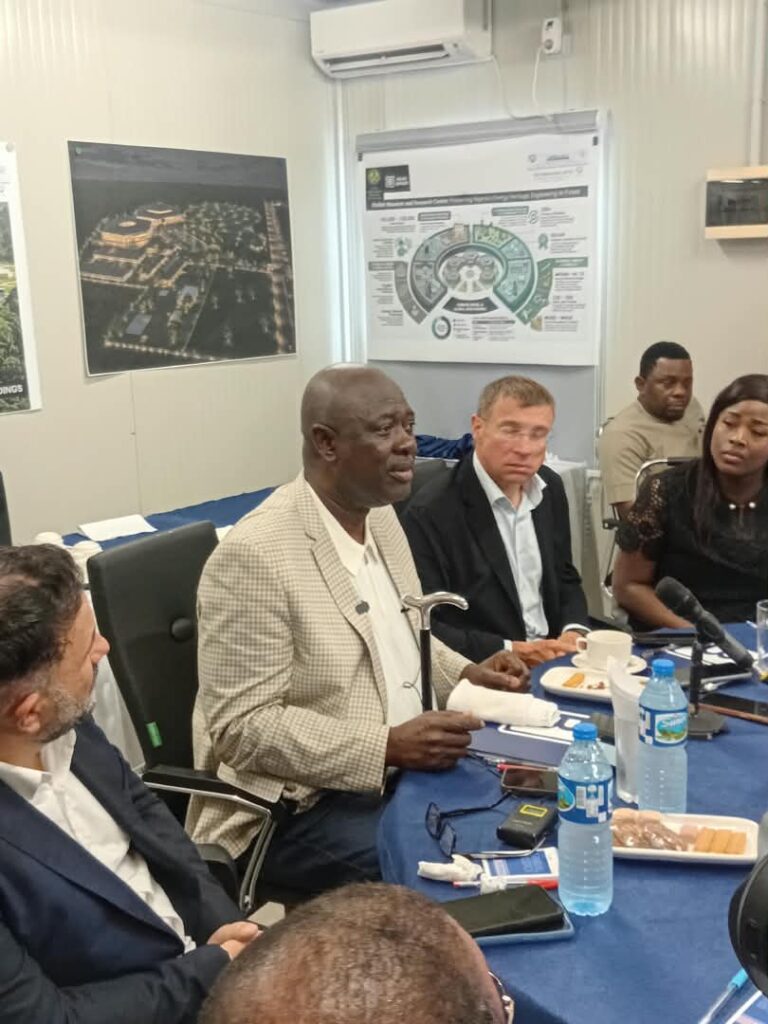
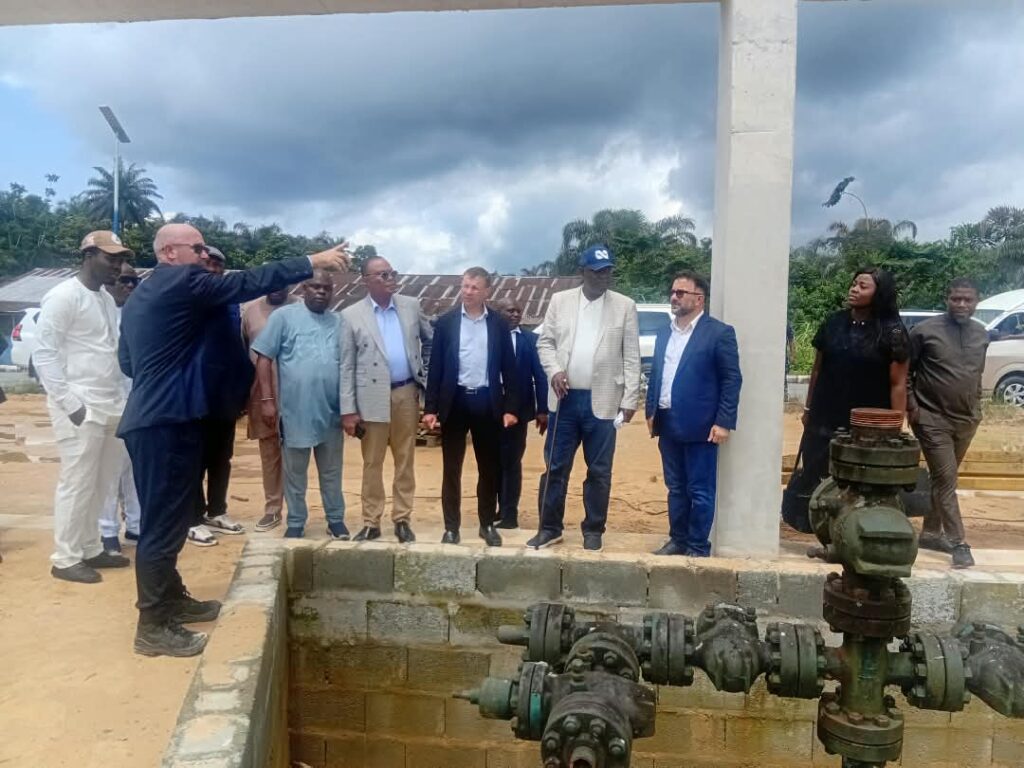
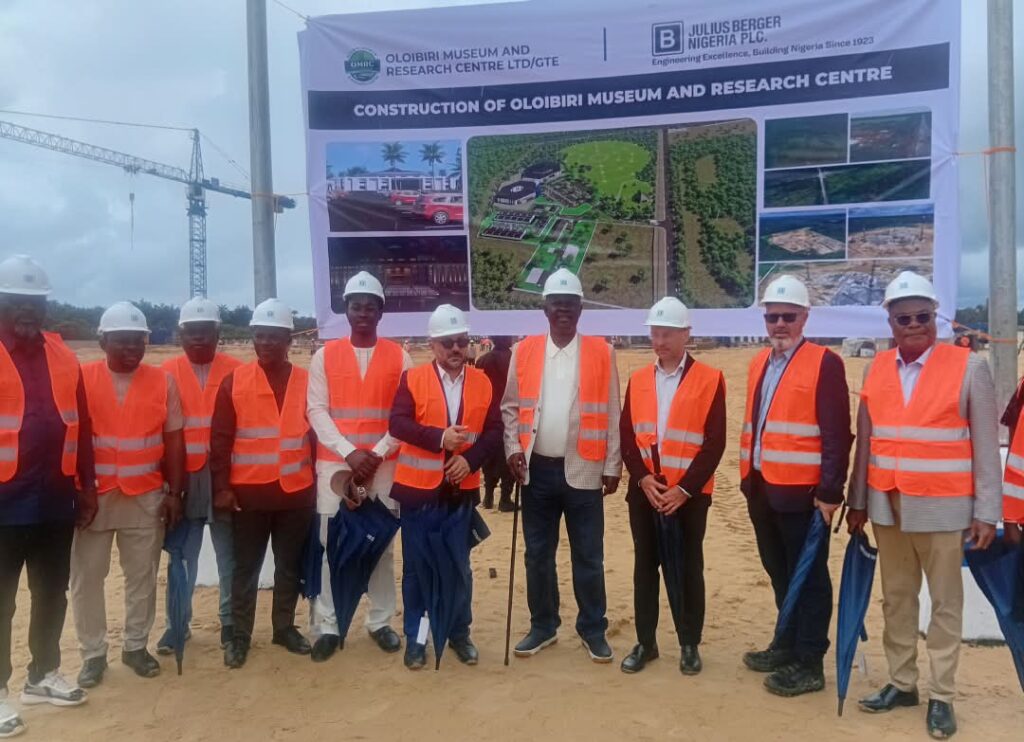
The Minister of State for Petroleum Resources (Oil), Heineken Lokpobiri, gave the assurance on Wednesday during an inspection of the ongoing project at Oloibiri, Ogbia Local Government Area of the state.
The project is located at Oloibiri, where commercial oil exploration in Nigeria began in 1956.
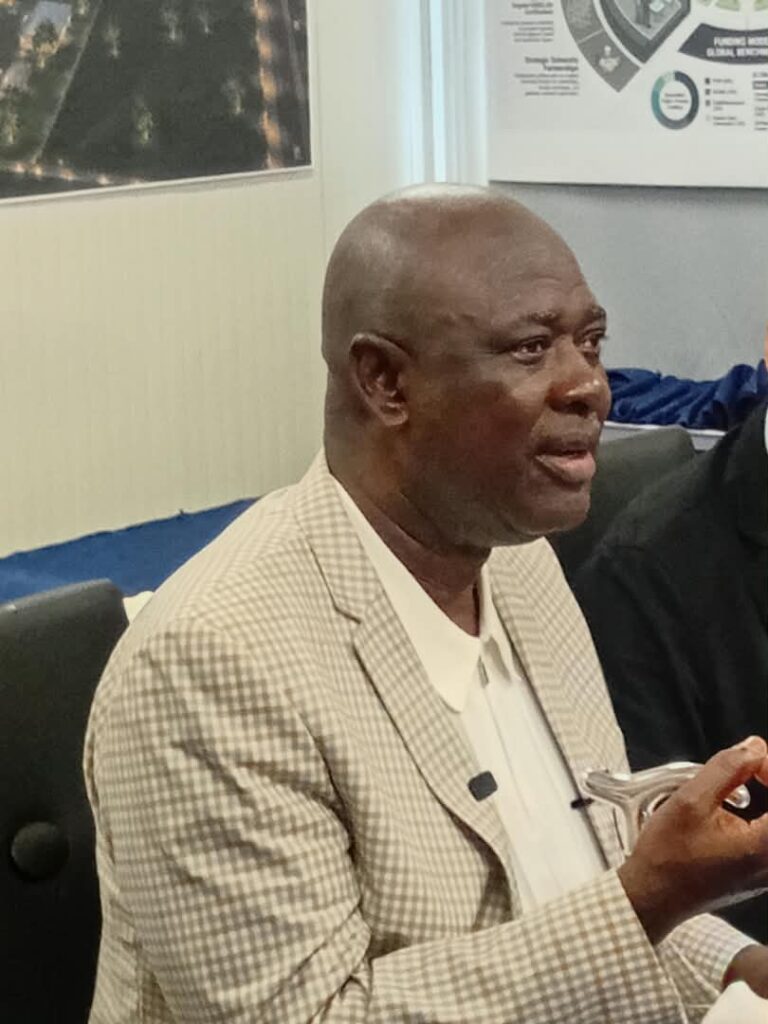
Lokpobiri, who expressed satisfaction with the progress of work at the site, described the museum and research centre as a monumental project capable of preserving the history of Nigeria’s oil and gas industry and attracting visitors from within and outside the country.
He said the project had been on the drawing board for decades before the present administration renewed efforts to bring it to reality.
“I am very happy that I came today to see what is going on here. This is a masterpiece. The main building itself is over 10,000 square metres,” the minister said.
Lokpobiri said the facility would enable Nigerians and international visitors to understand how the country’s oil and gas industry started, its development over the years, the challenges it encountered and its prospects for the future.
He noted that several countries were interested in learning from Nigeria’s experience in the petroleum industry, stressing that the museum would provide a central location where such visitors could access historical materials and research on the sector.
The minister also said the completed facility would provide much-needed space for oil and gas exhibitions, conferences and retreats, noting that the country lacked sufficient facilities capable of accommodating large-scale industry events.
He said the centre could become a major venue for oil and gas retreats, where participants would have the opportunity to combine their meetings with tours of the museum and research facilities.
Lokpobiri disclosed that about N70bn had been paid for the first phase of the project, assuring that the Federal Government would continue to fulfil its financial obligations to ensure that construction was not delayed.
He said he had been informed of a document awaiting his attention in his office and promised to review and sign it to facilitate the continued execution of the project.
The minister also pledged to visit the site regularly, including through unannounced visits, to monitor the progress of work.
He commended the contractor for the quality of work so far and appealed to the host community to continue supporting the project and cooperating with the contractors.
The Project Manager, Botha de Bruyn, also assured that the contractor was steadfast in its commitment to completing the project in accordance with the approved designs, specifications and construction schedule.
De Bruyn said the contractor recognised the historical importance of the project and would continue to work with the Federal Government, project management team and host community to ensure its successful delivery.
He pledged the contractor’s continued commitment to quality, safety and timely completion.
The Project Director of the Oloibiri Museum and Research Centre, Architect Ladipo Lewis, said the facility was designed to recognise Oloibiri as the birthplace of Nigeria’s oil exploration and development.
Lewis explained that the museum would document and preserve the history, culture, environment, technology, tourism and heritage of the area, while showcasing the development of the petroleum industry across the upstream, midstream and downstream sectors.
He said the museum would feature exhibits covering oil and gas technology, equipment, vehicles, ships, rigs, boats and other materials associated with the industry.
According to him, the research centre would also provide facilities for documentation, archiving, research, training and employment opportunities, particularly in local content development.
Lewis disclosed that the main museum building covered more than 10,500 square metres, with over 4,000 square metres of gallery space, an expansive lobby of more than 750 square metres and a 758-square-metre auditorium.
He added that the research centre and laboratories occupied more than 5,400 square metres, while restaurants, shopping facilities and other amenities were also incorporated into the complex.
Giving an update on the construction, Lewis said the project had reached more than 15 per cent completion, with significant infrastructure work already carried out.
He said more than 580 foundation piles had been sunk to depths of over 17 metres, while the concrete slab for the main museum building had been completed.
“Columns are already going up to carry the mezzanine floor and the upper floors, and that is the main structure,” he said.
Lewis added that Oil Wells 1 and 2 had reached roofing level, while the cabana and maintenance building were also progressing.
He said the accommodation facility had been roofed and fitted with windows, while the health centre and fencing were practically completed.
The major waterway in front of the project site, he added, had also been completed.
Lewis said the museum was designed not only as a centre for preserving Nigeria’s petroleum history but also as a catalyst for tourism and economic development in Oloibiri and the surrounding communities.
He said the development could attract hotels, restaurants, conference centres and other tourism-related businesses, creating employment and business opportunities for residents.
The project director also highlighted the ecological potential of the area, saying its natural environment and diverse wildlife could support research and eco-tourism.
He said the project would also promote the culture, language, music, fashion and traditional architecture of the host community.
Lewis expressed optimism that the facility would attract international researchers, tourists, conservation organisations and documentary producers interested in Nigeria’s oil history and the heritage of the Niger Delta.
“This is an opportunity to engage the entire world and put Oloibiri on the map of the world,” he said.
The Oloibiri Museum and Research Centre is expected to be completed in 2028 and is projected to become a major national heritage, research and tourism destination, preserving the history of Nigeria’s petroleum industry from its beginnings at Oloibiri in 1956.