


Xenophobia And The South African Hypocrisy: The Ime Okon Paradox
Ik Ogbonna
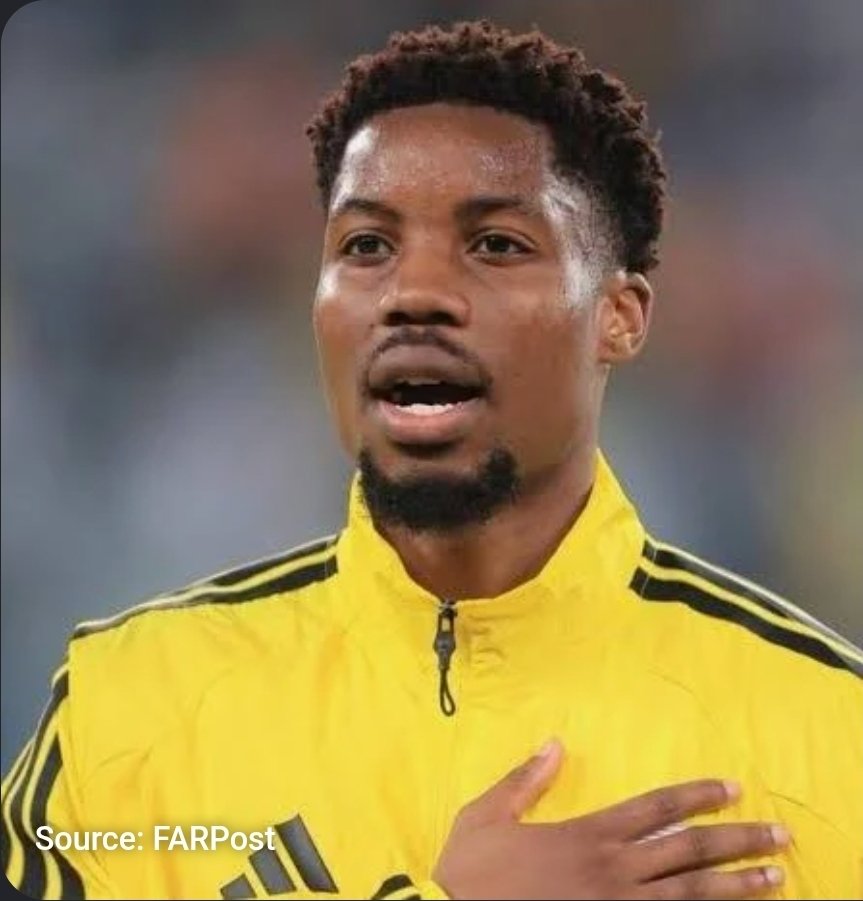
As South Africans rally behind their national team on the global stage, one name is likely to inspire pride and admiration: Ime Okon. The young defender, born to a South African mother and a Nigerian father, represents the future of South African football. His rise from local beginnings to international prominence embodies the promise of a diverse and inclusive nation.

Yet, beyond the stadium lights and patriotic celebrations lies an uncomfortable contradiction that South Africa must confront.
Ime Okon’s story is a powerful reminder of the contributions that immigrants and their families make to South African society. His Nigerian heritage is not hidden or denied. It is an integral part of who he is. While he proudly wears the green and gold of Bafana Bafana, he also carries a surname that reflects his Nigerian roots.

Ironically, the same society that celebrates Okon as a national hero often displays hostility toward ordinary foreign nationals and their families. Across South Africa, xenophobic rhetoric and attacks have repeatedly targeted immigrants from other African countries, particularly Nigerians, Zimbabweans, Mozambicans, Somalis, and Ethiopians. Many have suffered discrimination, violence, displacement, and social exclusion simply because of their nationality.
This raises a troubling question: Why is a Nigerian heritage worthy of celebration when attached to a football star, but viewed with suspicion when associated with ordinary citizens struggling to build honest lives?
The contradiction is impossible to ignore. On the football pitch, a young man with a Nigerian father is embraced as a symbol of national pride. Off the pitch, countless families with similar backgrounds live under the shadow of xenophobia. Children of mixed heritage who should feel fully South African are often forced to navigate questions about identity, belonging, and acceptance.
The issue extends beyond football. It speaks to the very soul of South Africa and the values upon which the nation was built. The struggle against apartheid was not merely a fight for political freedom; it was a fight for human dignity, equality, and inclusion. Many African nations, including Nigeria, stood in solidarity with South Africa during its darkest years. Today, the persistence of xenophobia threatens to undermine that legacy.
The celebration of Ime Okon should serve as a moment of reflection. His success demonstrates that diversity strengthens nations rather than weakens them. His story proves that the children of immigrants are not outsiders but contributors, achievers, and stakeholders in the future of their countries.
South Africa cannot afford to operate with two standards, one for talented athletes and another for ordinary migrants and their families. A nation that proudly cheers an Okon in a World Cup stadium must also protect the rights, dignity, and safety of the countless families who share similar stories.
True patriotism is not measured by how loudly a nation celebrates its heroes. It is measured by how fairly it treats its most vulnerable residents. If South Africa can embrace Ime Okon as one of its own, then it must also embrace the principles of inclusion and humanity that his story represents.
The real victory for South Africa will not come from a football match. It will come when every child, regardless of the nationality of their parents, can live, dream, and succeed without fear of prejudice or exclusion.
That is the challenge of the Ime Okon paradox places before South Africa today.
Ik Ogbonna, PhD is a University Lecturer and PR Practitioner